


How to improve human performance and reduce human error
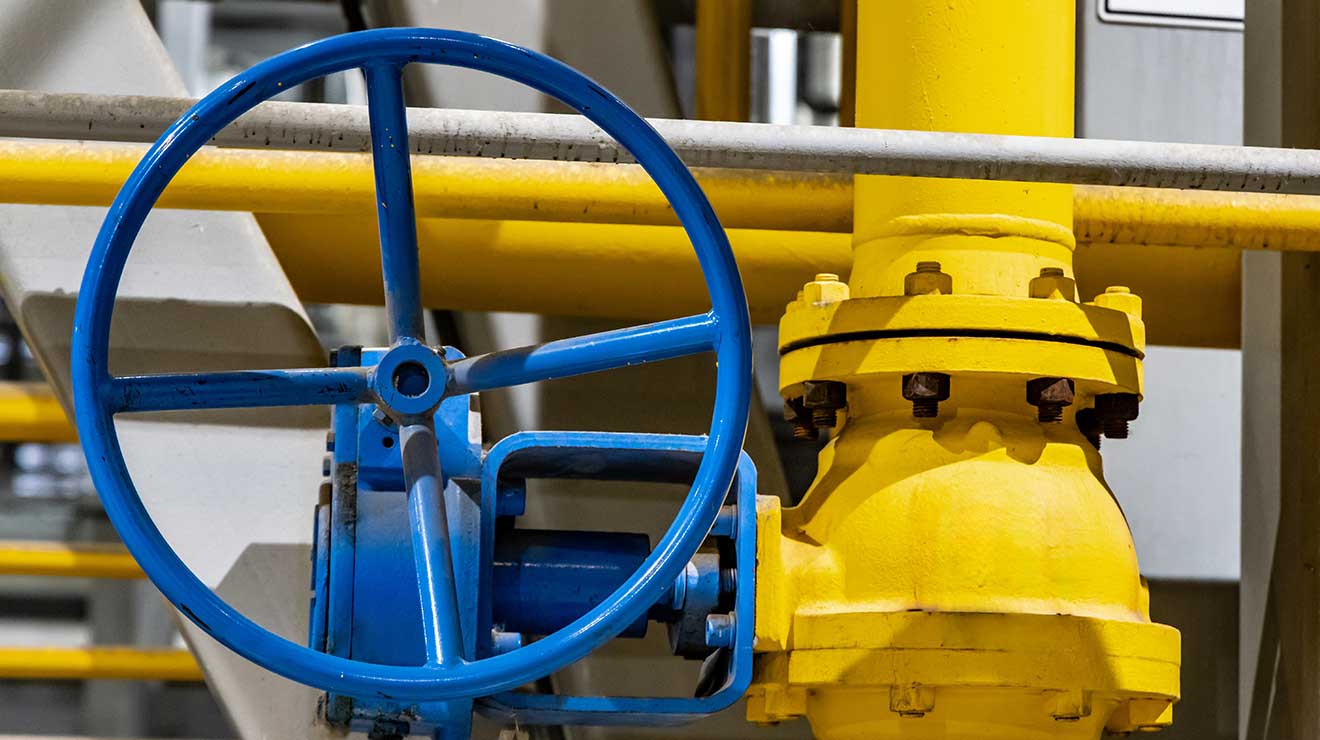
The way tasks, equipment and working environments are designed can shape reliable human performance.
When an operator gets something wrong, something in the work environment or the system around them may have made that error more likely.
Many things shape how people perform
The factors that make error more or less likely are called Performance Influencing Factors, or PIFs. In any work environment, there are many, and they interact. Human performance on any task is shaped by influences that fall into four categories.
- Task factors: workload, complexity, time pressure, procedure quality, interface design and access to equipment.
- Individual factors: competence and experience, fatigue, stress, situational awareness and physical capability.
- Team and organisational factors: communication and handovers, supervision, staffing, production pressure and management of change.
- Workplace and environmental factors: layout, noise, lighting, temperature, access and egress.
People have physical and cognitive parameters and limitations
The physical side is relatively easy for engineers to consider: reach, strength, vision, and the envelope within which someone can operate a valve or read a gauge.
The cognitive side is less visible but matters just as much. Attention is finite, and human working memory has limited capacity. An operator who misses an important alarm among forty alarms in two minutes is not necessarily careless. Their response reflects predictable limits in human information processing.
Consider who is actually on shift
Experience may range from a first posting to thirty years. Workforces may also differ in language, training background, physical characteristics and familiarity with particular operating practices. These differences affect how information, instructions and workplace conditions are understood and acted upon. A control room in the Middle East may have four or five nationalities represented on one shift.
This is why consistent human performance must be aseessed, and why telling people to be more careful is unlikely to produce sustained improvement.
The problem of designing for the average
In the 1950s, the United States Air Force measured 4,063 pilots to identify the dimensions of the average pilot. Lieutenant Gilbert Daniels examined the ten dimensions most relevant to cockpit design, defined “average” generously, and counted how many pilots were average across all ten. He found none.
Daniels concluded that the average man was a misleading basis for cockpit design. The Air Force required adjustability instead.
A process plant is no different. A gauge installed at the height of the average operator may suit nobody in particular. Some members of the shift may read it comfortably. Others may read it at an angle or from a position they have to climb into. These limitations may not be identified in a design review unless human factors input is included.
Body-size data also varies between populations. Equipment specified using data from one region and installed in another may meet the standard against which it was designed without fully suiting the people who use it.
Two kinds of PIF: some to manage and some to design
Some PIFs are operational. They must be measured and managed throughout the life of the plant: workload, fatigue, heat stress, supervision, procedure usability and competence.
Others are design-related. They are set on a drawing and may then remain fixed: layout and walking routes, reach and vision envelopes, control-panel design and alarm design. By the time an operator encounters any of them, the decision may have been taken years earlier during design.
Every barrier assumed to be maintained through human vigilance rather than good physical or cognitive design creates an ongoing demand on attention and an ongoing operational cost.
A design-related factor left unresolved does not disappear. It becomes an operational one for the next thirty years.
The cost and complexity of correction generally increase. A change identified during a model review may require a design revision. Once the facility is operating, the same change can be considerably more disruptive and expensive. Following an incident, the consequences can cost much greater.
What human factors engineering delivers
Human factors engineering applies established knowledge of human capabilities and limitations to the design of the work environment. FEED and detailed design are among the most cost-effective stages at which to intervene, because design-related human factors can still be addressed before they are embedded in construction and operations.
The outcome is not simply a report. It is a plant that is more intuitive to operate, easier to maintain and safer to work in because the people who will use it have been considered in the design, rather than treated as something to be managed after start-up.
MES Human Factors Engineering